

Introduction
Navigating the complex world of project management requires more than just mastering methodologies; it demands real-world wisdom gained from years of trial and error in the trenches, i.e Project Management Lessons. This blog post distills 61 brutal lessons from my over 2 decades of experience and the successful implementation of 10 major projects to help both aspiring and practicing project managers succeed.
These insights move beyond theoretical frameworks to address the human and technical realities of the field, covering everything from the nuances of multi-national team dynamics and the “king” of project success—clear requirements—to the often-overlooked necessity of archiving every decision for future audits. Whether you are grappling with technical debt, managing intense stakeholder pressure, or trying to curb scope creep, these lessons offer a roadmap for delivering results while maintaining your professional integrity.
By categorizing these 61 lessons into core domains such as Leadership, Technical Implementation, and Change Management, this guide provides a comprehensive toolkit for anyone looking to transition from a task-oriented manager to a strategic leader. Prepare to explore the “brutal” truths of project management that can only be learned through decades of navigating high-stakes environments.
Table of Contents
1. Team Leadership and Motivation
- Facilitate Team Interaction: Active facilitation of how your team interacts is essential for moving the project in the right direction.
- Ensure Team Alignment: Make sure all teams are pulling in the same direction with shared goals.
- Celebrate Small Wins: Celebrating milestones—even minor ones—drives motivation and helps the team appreciate progress.
- Establish Clear Roles: Define specifically what each person is responsible for to avoid confusion.
- Document Responsibilities: Communicating roles in advance and documenting them ensures team members know what to achieve.
- Build Trust Early: Cultivating trust between team members and stakeholders is critical for smooth progress in project management.
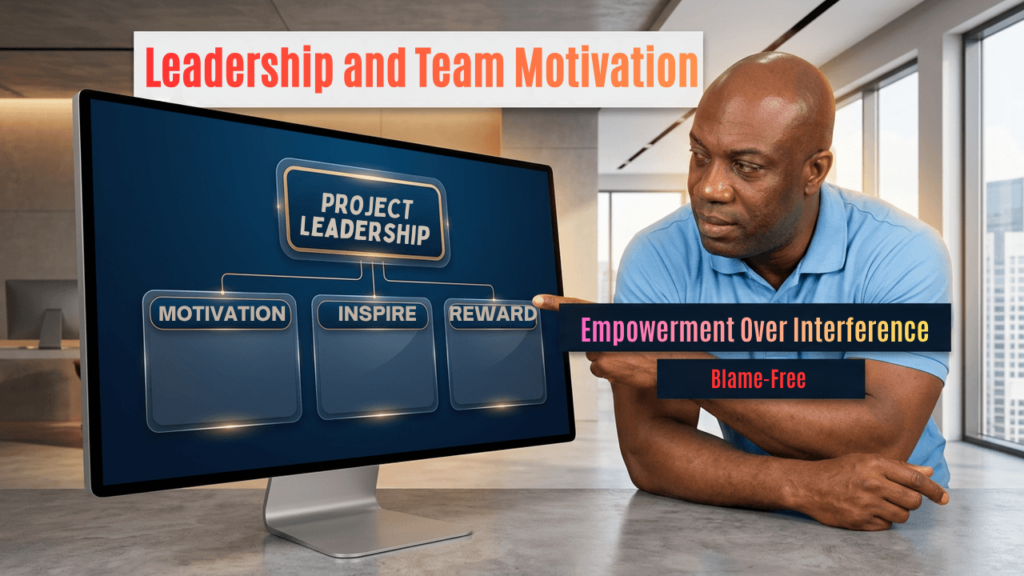
- Empower Your Team: Allow teams to make decisions and plan their work without constant interference.
- Create Workstreams: Assign leaders to specific workstreams to ensure the project continues moving when you are unavailable.
- Maintain a Positive Attitude: A leader’s positivity, especially when things are “thick” or under pressure, sets the tone for the entire team.
- Foster Accountability: Team members must be responsible for their specific activities and reports to avoid delays.
- Build Cross-Functional Teams: Diverse skills allow for better brainstorming and problem-solving from different angles.
- Encourage Innovation: Allow team members to suggest new or refined ideas that can improve deliverables.
- Trust Specialized Expertise: A project manager is not a “know-it-all”; listen to the experts in specialized areas and that will also improve your project management skills.
- Avoid Technical Debt: Listen to IT and technical experts early to prevent technical problems later in the project.
- Assign Ownership, Not Just Tasks: People are more creative and innovative when they own a result rather than just a checklist in project management.
- Use Blame-Free Problem Solving: Focus on analyzing the issue rather than finger-pointing.
- Avoid Defensive Positions: Finger-pointing forces people into “shells,” which prevents full resolution of problems.
2. Technical Implementation and Tools
- Treat Data Migration as a Mini-Project: Because migrating data is complex, it needs its own dedicated leads and teams.
- Set Up Staging Areas: Use intermediate “staging” for data transformation and enrichment before moving to the destination.
- Prioritize Reconciliation: Ensure data is reconciled between the old and new systems for project success.
- Don’t Underestimate Legacy Systems: Integrating with old systems is rarely easy; plan for meticulous execution.
- Isolate Integration Tasks: Run legacy system integration as a separate mini-project to ensure focus during project management.
- Prepare for Post-Integration Challenges: Hurdles often appear after the systems are connected; have a plan ready.
- Plan for Scalability: Ensure your software solution can handle increased business volume for years, not just months.
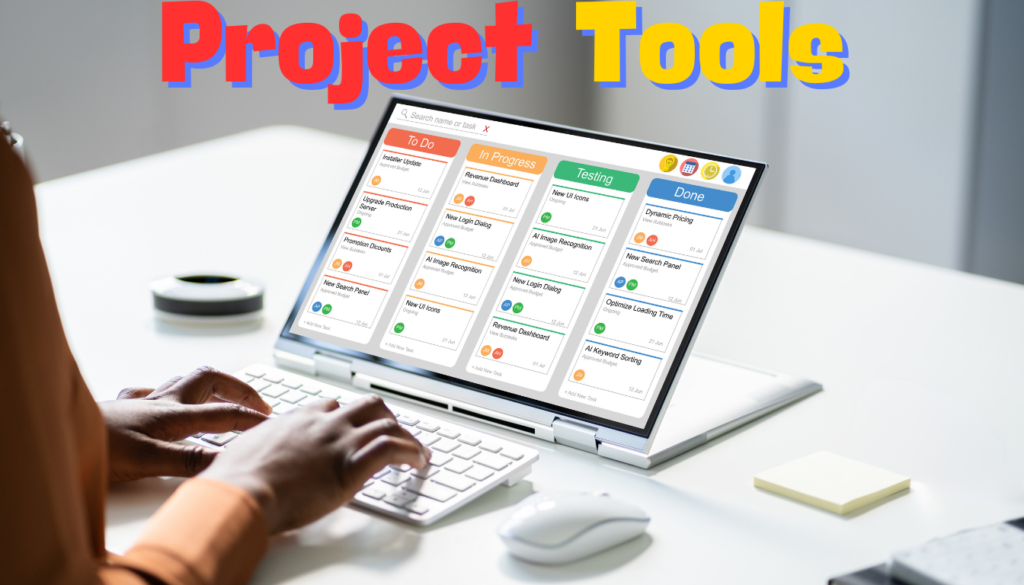
- Select Tools Wisely: Use project management tools that are secure and trusted by all stakeholders.
- Automate Repetitive Tasks: Identify procedural tasks that can be automated to reduce team effort.
- Leverage AI for Efficiency: Use AI for tasks like taking minutes or summarizing long requirement documents.
- Use Dashboards for Transparency: Dashboards provide a quick overview and facilitate information sharing with stakeholders.
- Stay Ahead of Technical Trends: Continuously look for ways to apply new technology (like AI) to PM tasks.
3. Review, Archiving, and Performance

- Learn from Failures: View setbacks as opportunities to pick up lessons for future projects.
- Plan for Post-Implementation Support: Don’t disappear after the project goes live; ensure plumbing and cables (or software) are stable.
- Document Every Lesson: Record lessons from every project management phase so they can be passed on to future projects.
- Conduct Regular Reviews: Meet with team leads weekly to analyze strategies and make instant adjustments.
- Reflect on Successes and Failures: Balance your reviews to understand what went right as well as what went wrong.
- Make Retrospectives Mandatory: Analyze what happened in each project management phase before starting the next one.
- Archive Everything: Store all decisions, minutes, reports, and source code—ideally in the cloud—for future audits.
- Manage Success Objectively: Use agreed-upon, comprehensive KPIs rather than emotional or incorrect information.
- Include User Satisfaction: Use satisfaction as a key criterion for measuring the success of a deliverable.
- Monitor Performance from the Start: Define how you will measure progress (timeline, budget) during the initiation phase.
- Use Multiple Baselines: Monitor cost, time, scope, resource, and technical baselines simultaneously.
- Align with Organizational Culture: Adjust your planning and execution to match the culture (e.g., bureaucratic approval processes) to avoid friction.
4. Personal Development and Professionalism
- Never Stop Learning: Keep up with new industry tools like Asana, Trello, or Microsoft Project project management tools.
- Pursue Certifications: Ongoing education through PMP or Prince2 helps you stay relevant.
- Adopt Your Own Leadership Style: Don’t just copy others; adapt your approach to the situation and industry.
- Stay Calm Under Pressure: Maintain composure even when fingers are pointing at you during difficult project management phases.
- Avoid Emotional Responses: Shouting or being disrespectful to clients under pressure is a major mistake.
- Reflect on Subconscious Biases: Regularly analyze your decisions regarding resource or contractor selection to correct biases.
- Build a Professional Network: Connect with global PM professionals to learn from their mistakes and experiences.
- Stay Up-to-Date with Methodologies: Embrace technological advancements like virtual meetings to remain effective.
5. Change Management and the Human Element

- Maintain Flexibility: Be open to new ideas, concepts, and techniques that benefit the project.
- Start Change Management Early: Create a strategy at the project’s initiation to handle the “human side”.
- Embrace Change as Constant: Be prepared for inevitable shifts in the market or environment (like COVID-19).
- Plan for Resistance: Expect pushback, especially if the project threatens job security or established processes.
- Involve Users from the Beginning: Including users early allows them to contribute and eases their mindset shift.
- Communicate the “Why”: People need to understand the outcome and benefits of the project upfront, that is proper project management.
- Train Before You Go Live: Ensure beneficiaries can actually operate the product before launching.
6. Strategic Planning and Execution
- Monitor Post-Launch Adoption: Watch for users reverting to old methods (like Excel) and gather feedback to improve.
- Balance Speed and Quality: Do not sacrifice quality for speed; find a balance for every deliverable during project management phases.
- Prioritize Effectively: Focus on high-impact tasks first to show results early and motivate stakeholders.
- Use a Phase-Driven Approach: Break long-term projects into small, manageable, “liveable” chunks.
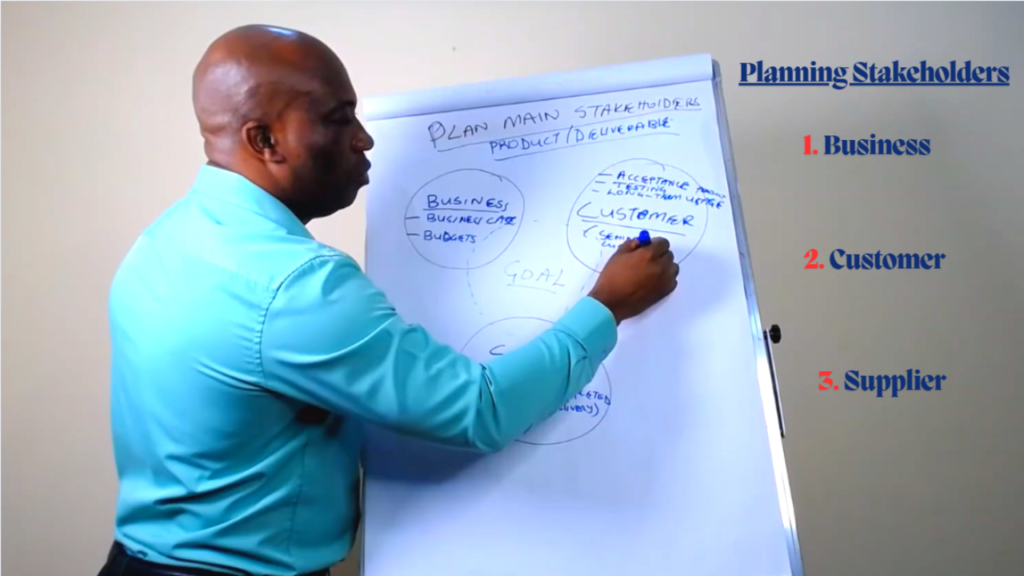
- Requirements are King: Spend more time understanding end-user needs upfront to avoid overshooting budgets or rework.
Frequently Asked Questions (FAQ)
1. Why are “brutal” lessons more valuable than standard advice?
Brutal lessons come from real-world failures and high-stakes environments, providing practical insights that theoretical guides often overlook.
2. How do I start implementing these lessons in my current project?
Begin by establishing clear roles and documenting responsibilities to eliminate immediate confusion within your team.
3. What is the most common mistake in large-scale projects?
Lack of team alignment. When different departments pull in opposite directions, the project’s timeline and budget inevitably suffer.
4. How often should we celebrate milestones?
Celebrate every significant phase completion. Small wins keep morale high during the long “middle phase” of a 25-year career-level project.
5. Is documentation really that important for team motivation?
Yes. When people know exactly what is expected of them through documentation, they feel more secure and motivated to perform.
6. How does an expert with 25 years of experience handle team conflict?
Through active facilitation. Instead of letting conflicts simmer, an expert addresses interaction patterns directly to keep the project moving forward.
Final Thoughts
Applying these 61 brutal lessons isn’t about following a checklist; it’s about shifting your mindset toward radical accountability and proactive leadership in project management. The transition from managing tasks to facilitating high-stakes environments requires resilience and a willingness to learn from the friction of real-world execution.
Conclusion
Success in large-scale projects is rarely accidental. By internalizing the experiences of those who have navigated these waters for over two decades, you can avoid common pitfalls and lead your team with greater clarity. Start small, align your goals, and remember that trust and documentation are your most powerful tools for long-term project viability in your project management.
