
Introduction
Many farmers today are highly skilled, yet growth remains limited. The uncomfortable truth? The problem is not their skills or farming techniques. It’s the lack of structured project management.
Across the globe, many farmers possess strong agricultural knowledge, certifications, and years of experience. Yet, despite this expertise, many businesses struggle to grow, scale, or achieve consistent profitability.
The core issue is often misunderstood.
It is not the soil quality.
It is not the seed variety.
It is not even access to markets.
The real issue is the absence of application of structured project management skills and principles.
You can also start by improving your project management skills by downloading a free checklist from here.
This article explores how applying project management principles can transform agricultural practices into scalable, profitable, and sustainable businesses.
Table of Contents
Agriculture is Not Just Farming — It is Project Execution
A project is defined as a temporary endeavor undertaken to create a unique product, service, or result.
Each farming season fits perfectly into this definition:
- It has a start (land preparation)
- It has a timeline (planting to harvest)
- It produces a result (yield)
Therefore, every season is a project execution. The uncomfortable truth? The problem is not their skills. It’s the lack of structured project management.
The Project Lifecycle in Agriculture
Every season has a defined start, end, and output — making it a project.

The Biggest Mistake Farmers Make
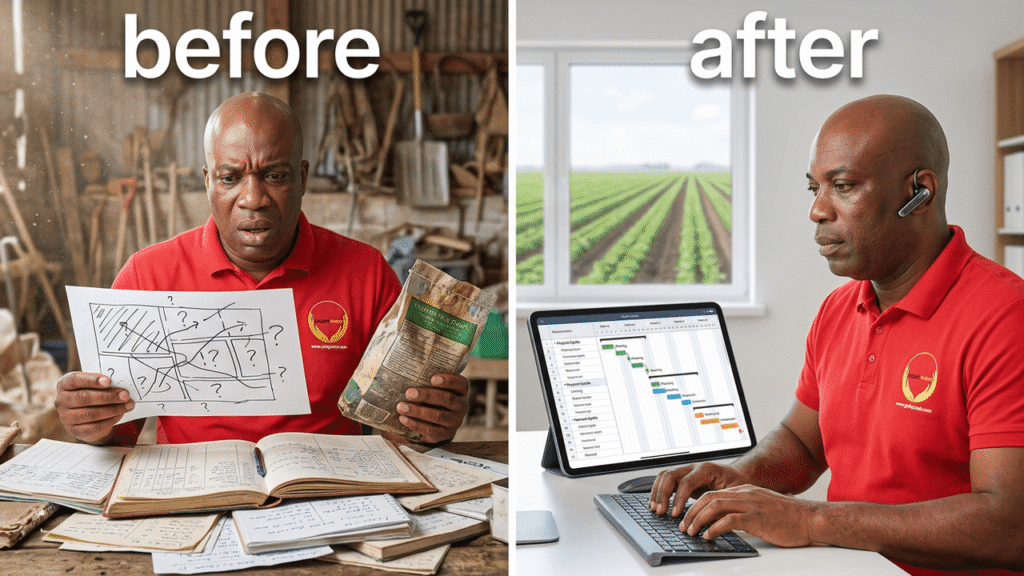
Many rely on ‘cell phone management’ without structured planning. Making quick, unstructured decisions via calls and texts leads to missed deadlines and wasted resources.
Shift Your Mindset
Treat farming as a structured business with defined phases.
Work Breakdown Structure (WBS)
Break farming into land-
- Preparation,
- Procurement,
- Execution,
- Harvesting.
- Storage
- Sales Marketing
Stakeholder Management

Manage-
- Labor,
- Suppliers,
- Regulators,
- Buyers.
Risk Management
Plan Risk Responses for:
- Weather,
- Pests,
- Market risks.
Data & Technology

Use tools like –
- Drones,
- Data Analytics,
The Traditional Approach vs The Project Approach
Let’s break down the core challenges of traditional farming practices and why they limit growth.
a) Informal Planning — “We’ll figure it out as we go”
In many traditional farming setups, planning is often:
- Unwritten
- Based on memory or past experience
- Not structured into timelines or milestones
What This Looks Like:
- No clear planting schedule
- Inputs (seeds, fertilizer) bought late or inconsistently
- No defined budget
- No yield targets
The Problem:
Without structured planning:
- Activities are delayed
- Resources are misused
- Opportunities are missed
Project Management Perspective:
A structured plan includes:
- Defined timelines (when to plant, irrigate, harvest)
- Budget allocation
- Resource planning
- Clear objectives
Planning reduces uncertainty and increases control
b) Verbal Communication — “I told them what to do”
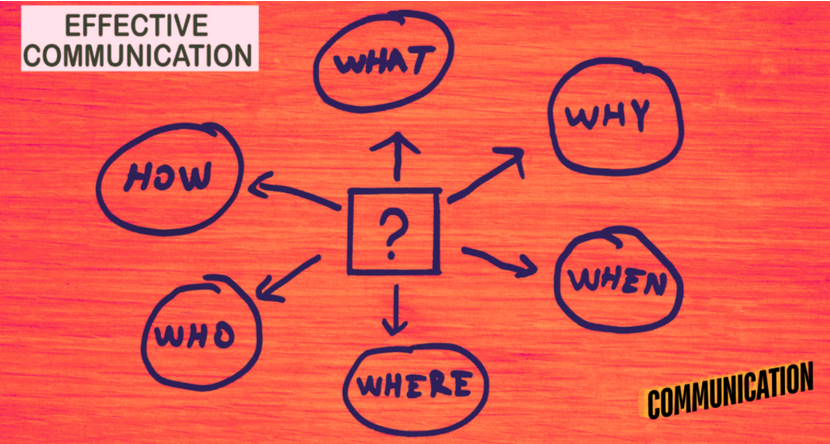
Traditional farming heavily relies on verbal instructions.
What This Looks Like:
- Workers receive instructions verbally
- No written records of tasks
- No documented responsibilities
The Problem:
- Miscommunication is common
- Tasks are misunderstood or forgotten
- No accountability
When something goes wrong, there is no traceability
Project Management Perspective:
Effective communication includes:
- Written instructions
- Task assignments
- Progress updates
- Reporting structures
Clear communication = clear execution
c) No Structured Tracking — “We’ll see how it goes”
In traditional farming, tracking is often minimal or non-existent.
What This Looks Like:
- No tracking of costs
- No monitoring of progress vs plan
- No yield performance measurement
- No data collection
The Problem:
- You cannot measure performance
- You cannot identify inefficiencies
- You cannot improve future outcomes
What is not tracked cannot be improved.
Project Management Perspective:
Tracking involves:
- Monitoring timelines
- Tracking costs vs budget
- Measuring output vs targets
- Recording data for future decisions
Data turns farming into a predictable business
d) Reactive Decision-Making — “We’ll deal with it when it happens”
Traditional farming often operates in reaction mode.
What This Looks Like:
- Acting only when pests appear
- Responding to weather changes without preparation
- Adjusting plans late
The Problem:
- Higher costs (emergency actions are expensive)
- Increased risks
- Lower productivity
Reactive farming leads to crisis management instead of control
Project Management Perspective:
Proactive decision-making includes:
- Risk identification (weather, pests, market changes)
- Contingency planning
- Scenario analysis
Prepared farmers outperform reactive farmers
Applying Project Management to Farming
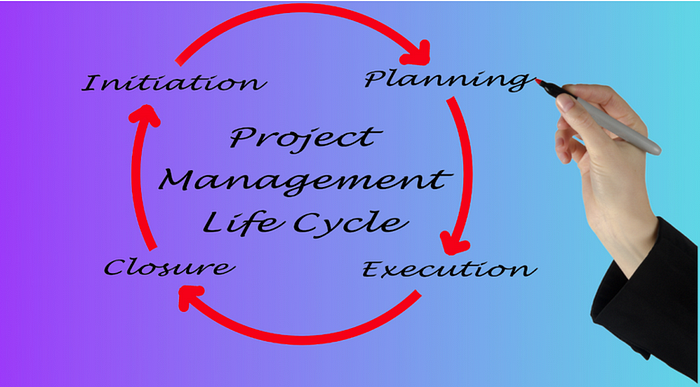
1. Initiation
Define-
– What crop to grow
– Expected yield
– Market demand
2. Planning
Include-
– Work Breakdown Structure (WBS)
– Budget planning
– Scheduling (Gantt charts, Activities and Estimations)
– Resource allocation
3. Execution
Includes-
– Land preparation
– Planting
– Irrigation
– Pest control
4. Monitoring and Control

Track-
– Progress vs plan
– Cost vs budget
– Risks and issues
5. Closure
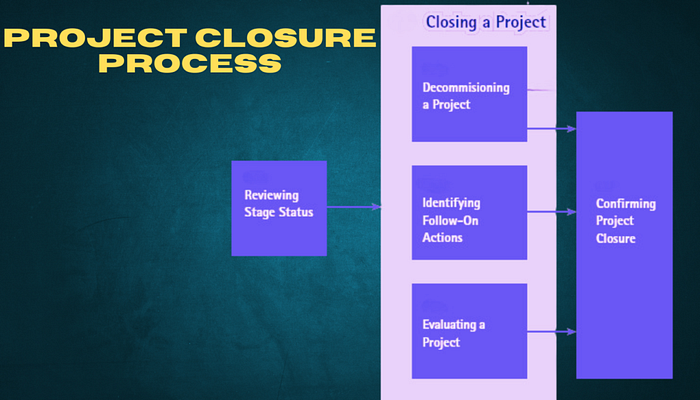
Includes-
– Harvesting
– Sales
– Financial reconciliation
– Lessons learned
Conclusion
Scaling a farming business requires more than just agricultural expertise; it requires a shift in mindset toward structured project management. By treating every season as a project with defined phases and rigorous planning, farmers can move beyond reactive management and build sustainable, profitable enterprises. The future of farming isn’t just in the soil—it’s in the system.
